What is neurofeedback?
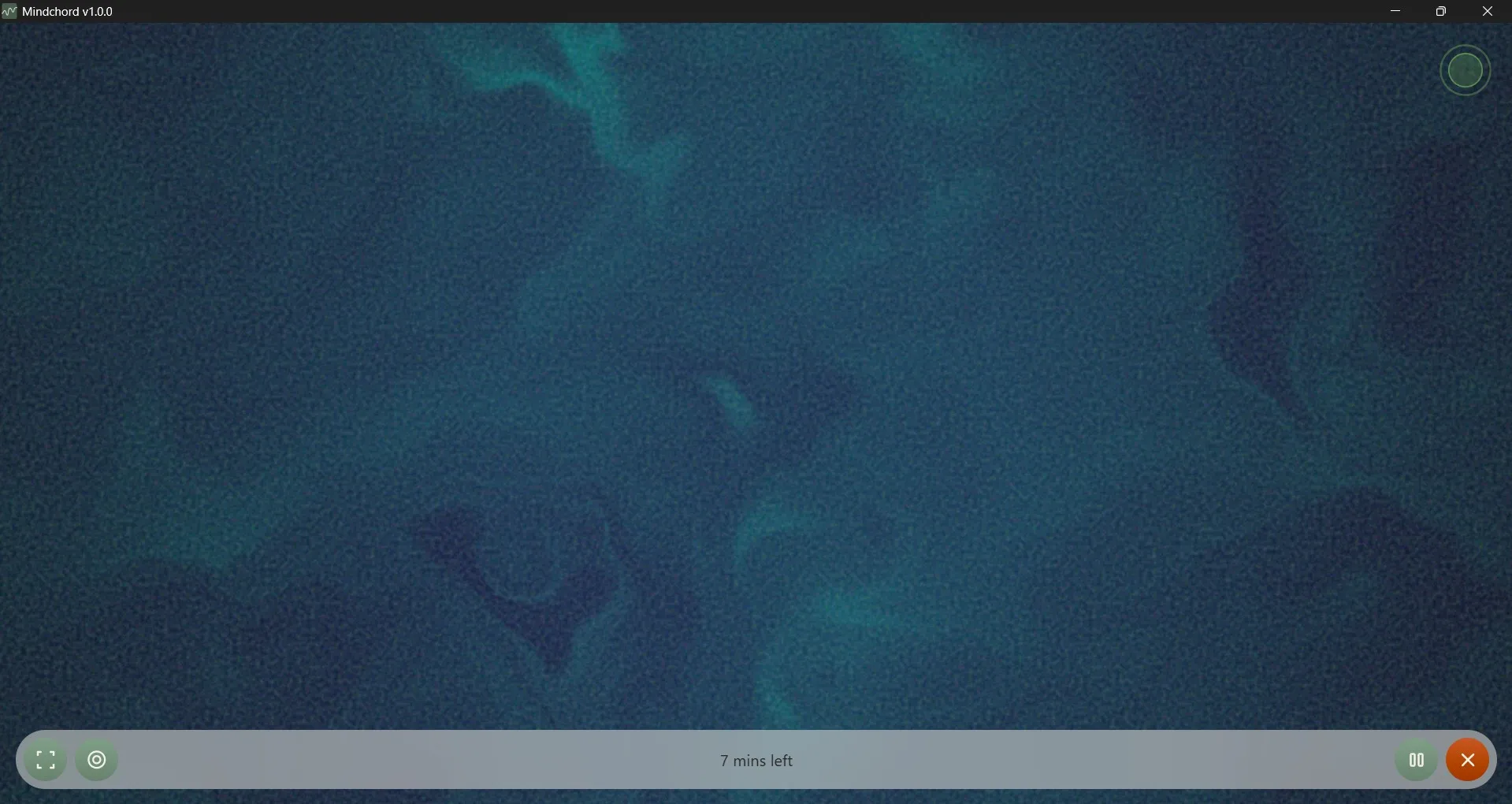
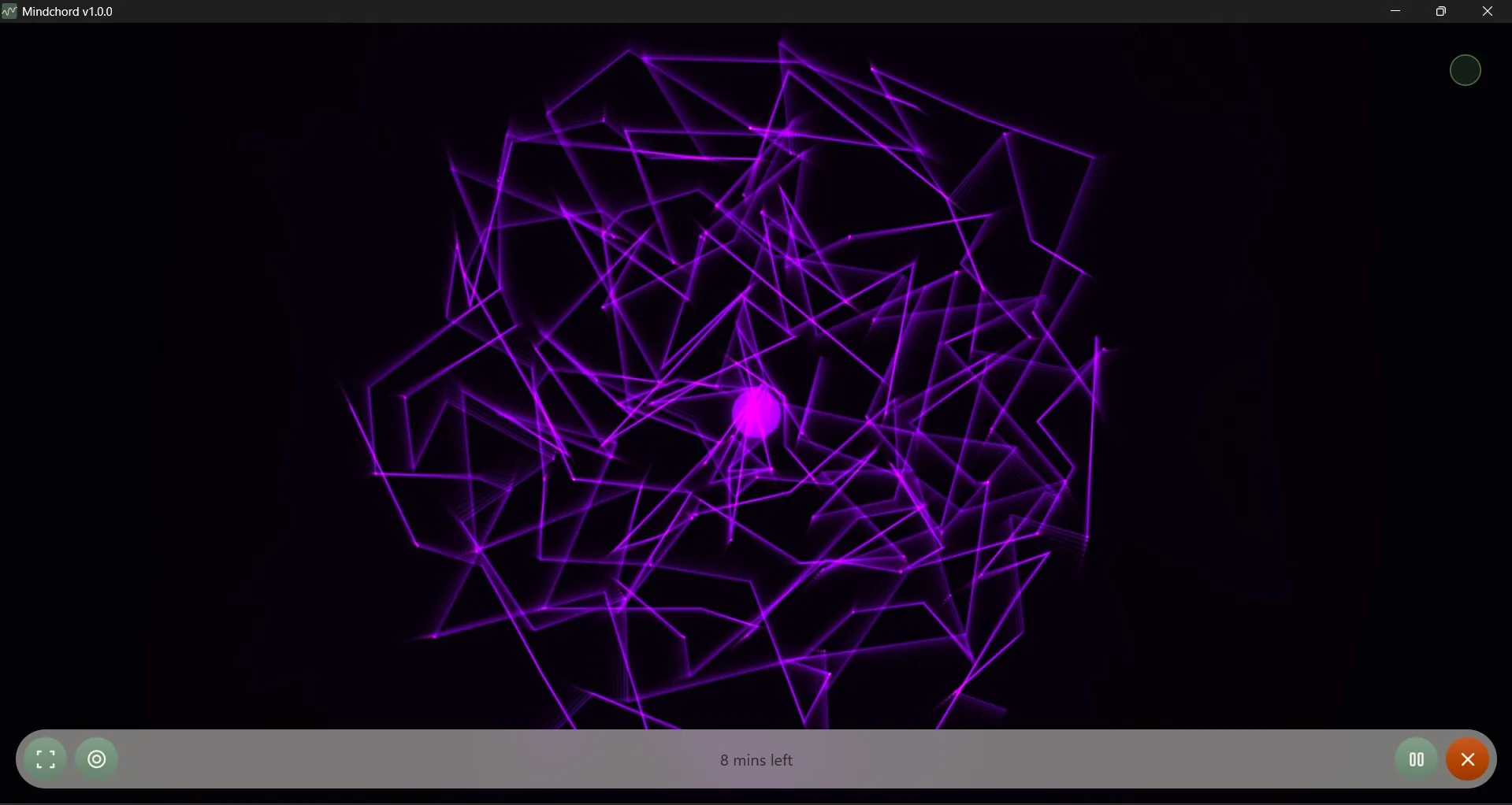
Neurofeedback uses real-time measurements of brain EEG activity to provide feedback. A target band of brain activity and a location of the brain are chosen, and the user gets rewarded or inhibited when they go above or below their baseline activity in this section – for example, a video playing gets brighter or darker.
Over time, the brain subconsciously learns greater control over the activity strength in the desired section and receives more reward. This process is designed to train the brain to be better at controlling and shifting states of mind, whether what's being trained is calm, focus, or anything else.
The research on neurofeedback's effectiveness is mixed and inconclusive so it is often regarded as more of a trial that seems to work for some than as a mainstream aid to a more controlled mind.
What is Mindchord?
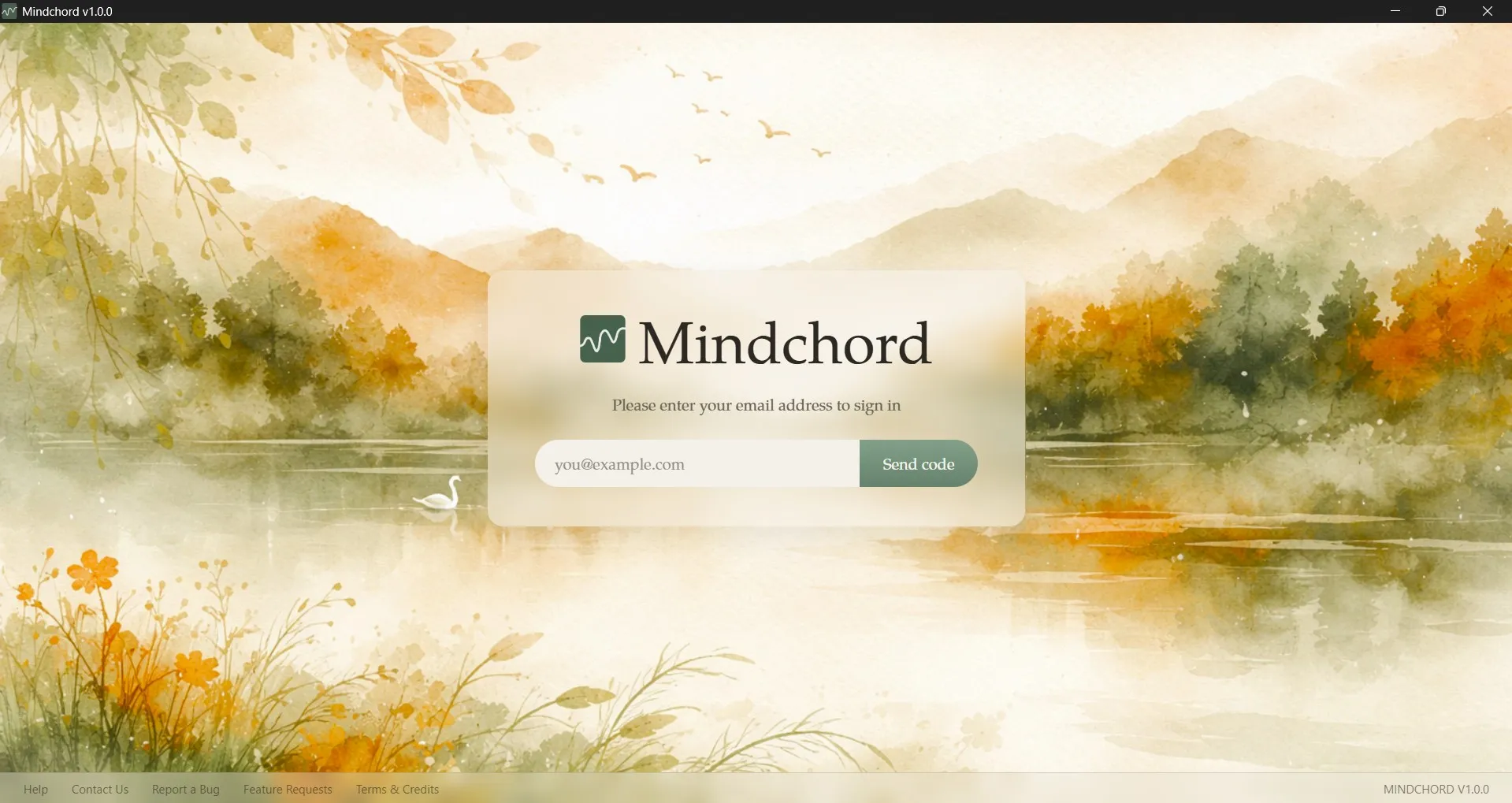
Mindchord is a neurofeedback app designed to be used at home with portable EEG headsets like Muse devices. Mindchord providers set protocols based on what their client wants to address and any readings or examinations they perform (see Technical Feedback Info for more details about what settings can be configured by providers). The app offers a variety of feedback types, including preset video feedback, local video feedback, and interactive visualisations.
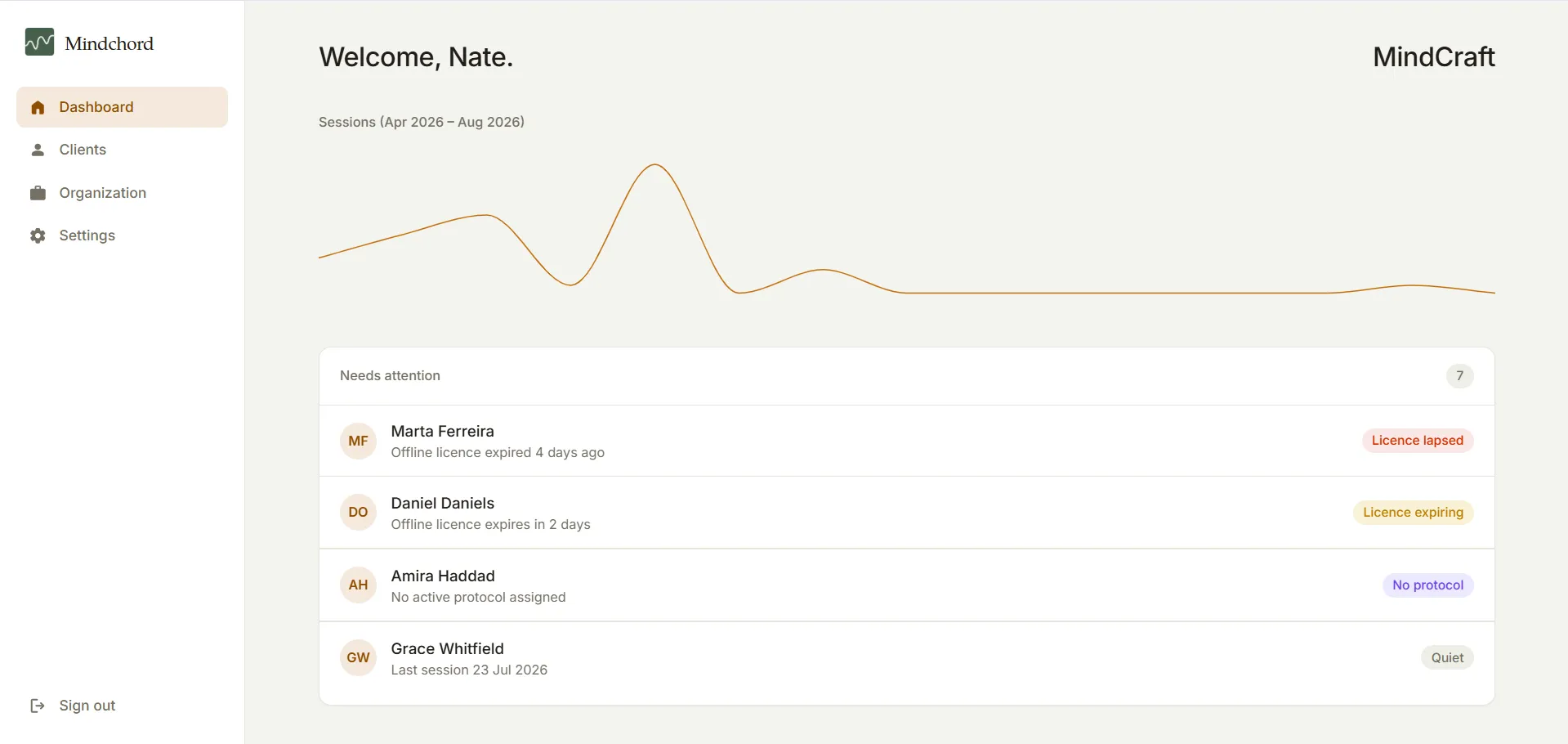
Providers set protocols and manage clients using the separate Mindchord Dashboard app.
Mindchord is still in closed beta, so updates are being made regularly. If you are interested in joining as a client or provider, please reach out to us and we would love to answer any questions you have or add you as a beta-tester.
The App
Technical info
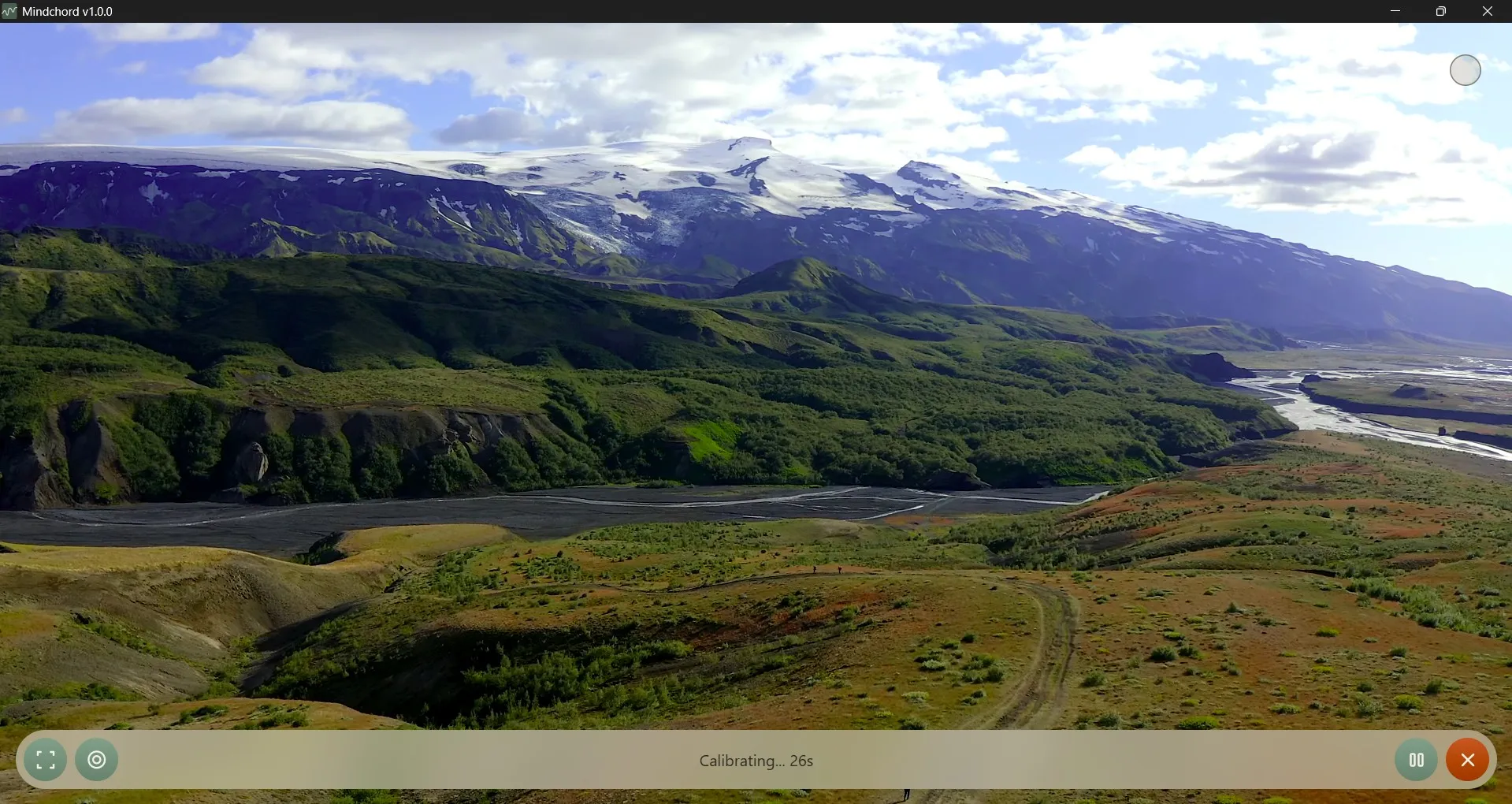
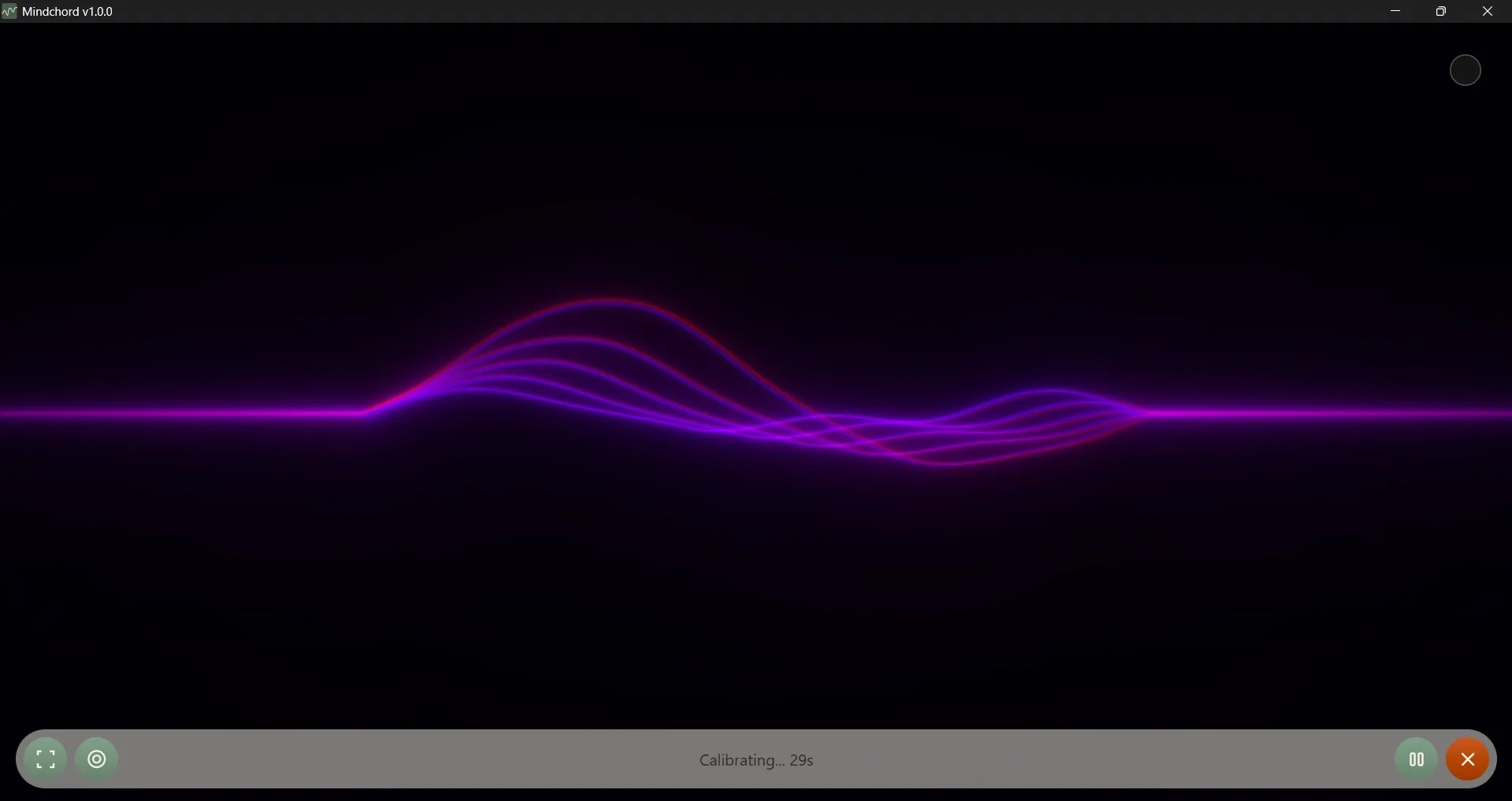
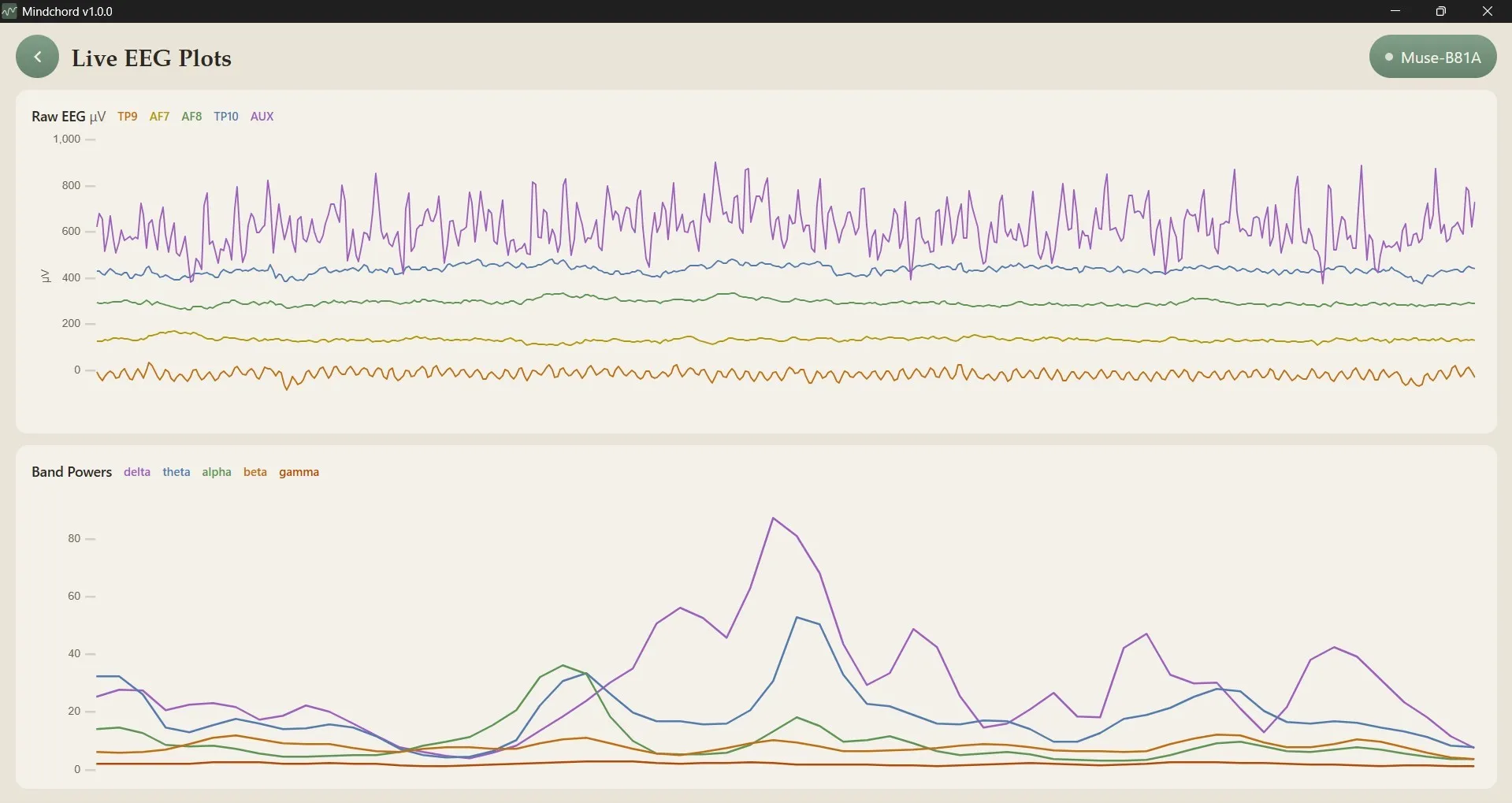
Each session begins with a short calibration period in which Mindchord records the brain's natural activity in the target frequency bands to establish a personal baseline. Once calibrated, the app continuously measures your live brainwave power, (using Welch's method to estimate the spectral density of the EEG signal, with artifact rejection to discard moments contaminated by blinks, jaw movement, or electrode noise), and compares it against the user's baseline as a z-score (how many standard deviations above or below their resting state they are right now).
Feedback runs throughout the session, reflecting whether the user is currently above or below the protocol's threshold: the longer they stay above, the more the feedback intensifies, and the longer they stay below, the more it fades.
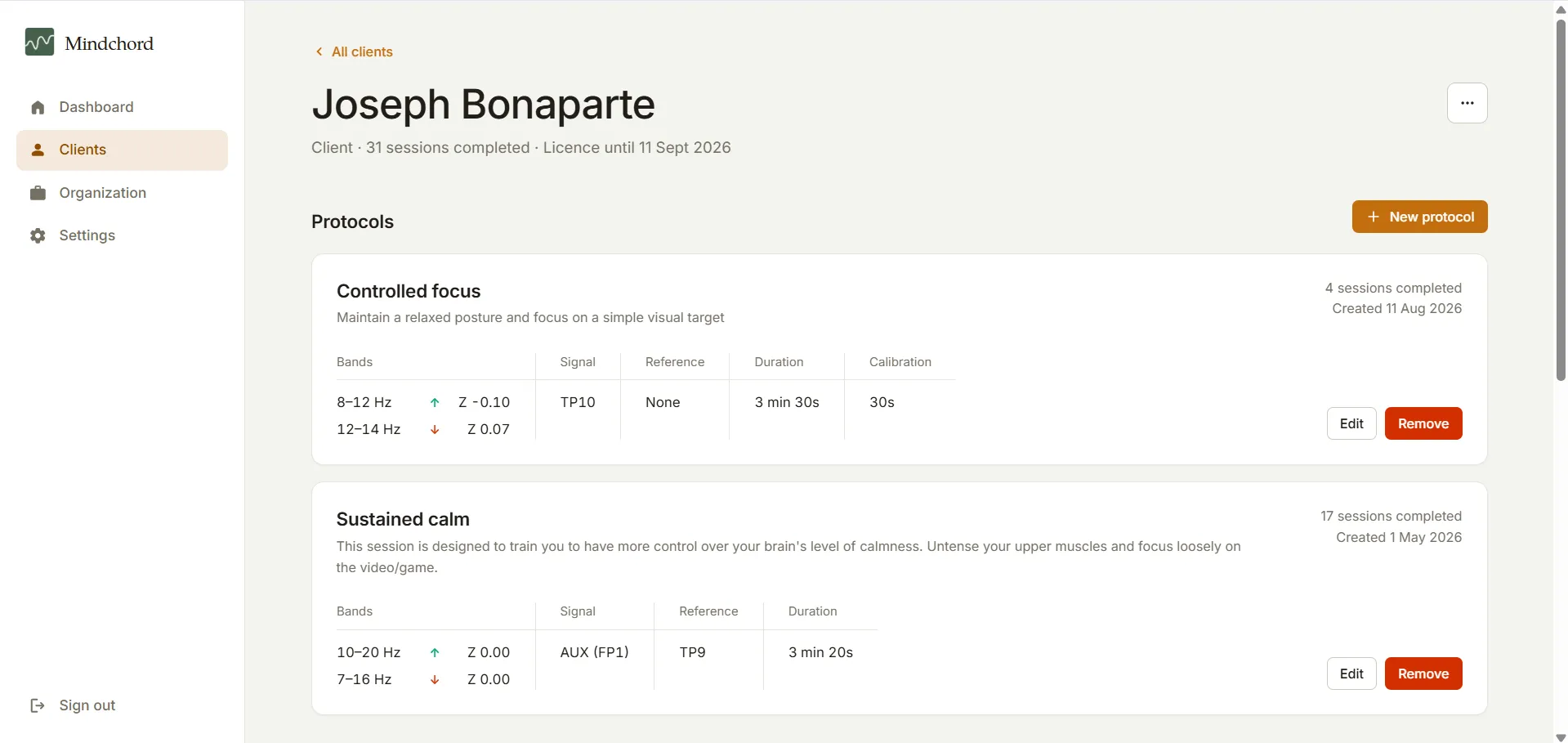
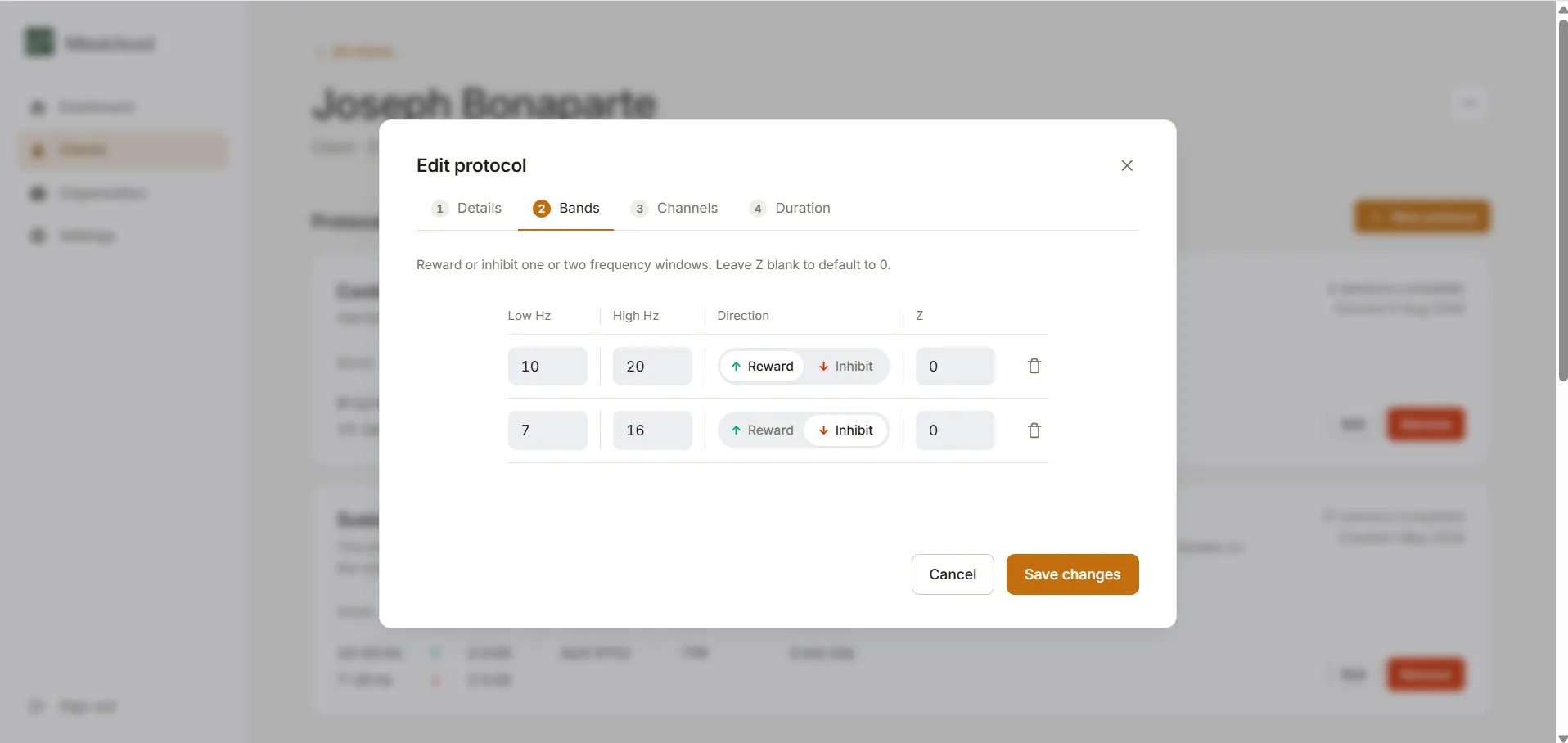
Protocols can combine up to two bands at once (for example, increasing one frequency while decreasing another), and clinicians can configure which electrode drives the feedback – any of the Muse headband’s standard channels (TP9, AF7, AF8, TP10) or the optional AUX electrode plugged into the headband – along with an optional reference channel for software re-referencing to better isolate the region of interest.
Mindchord Dashboard
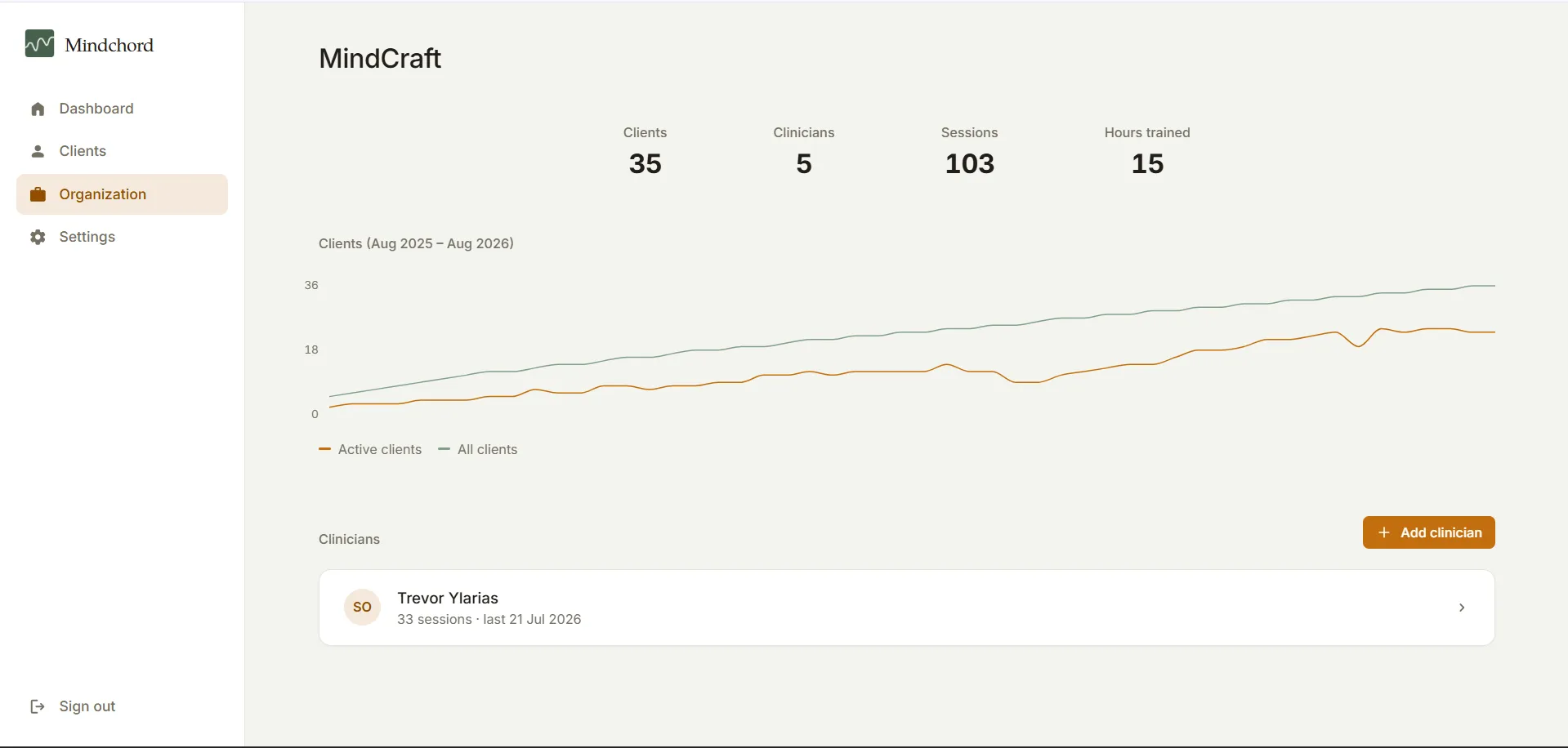
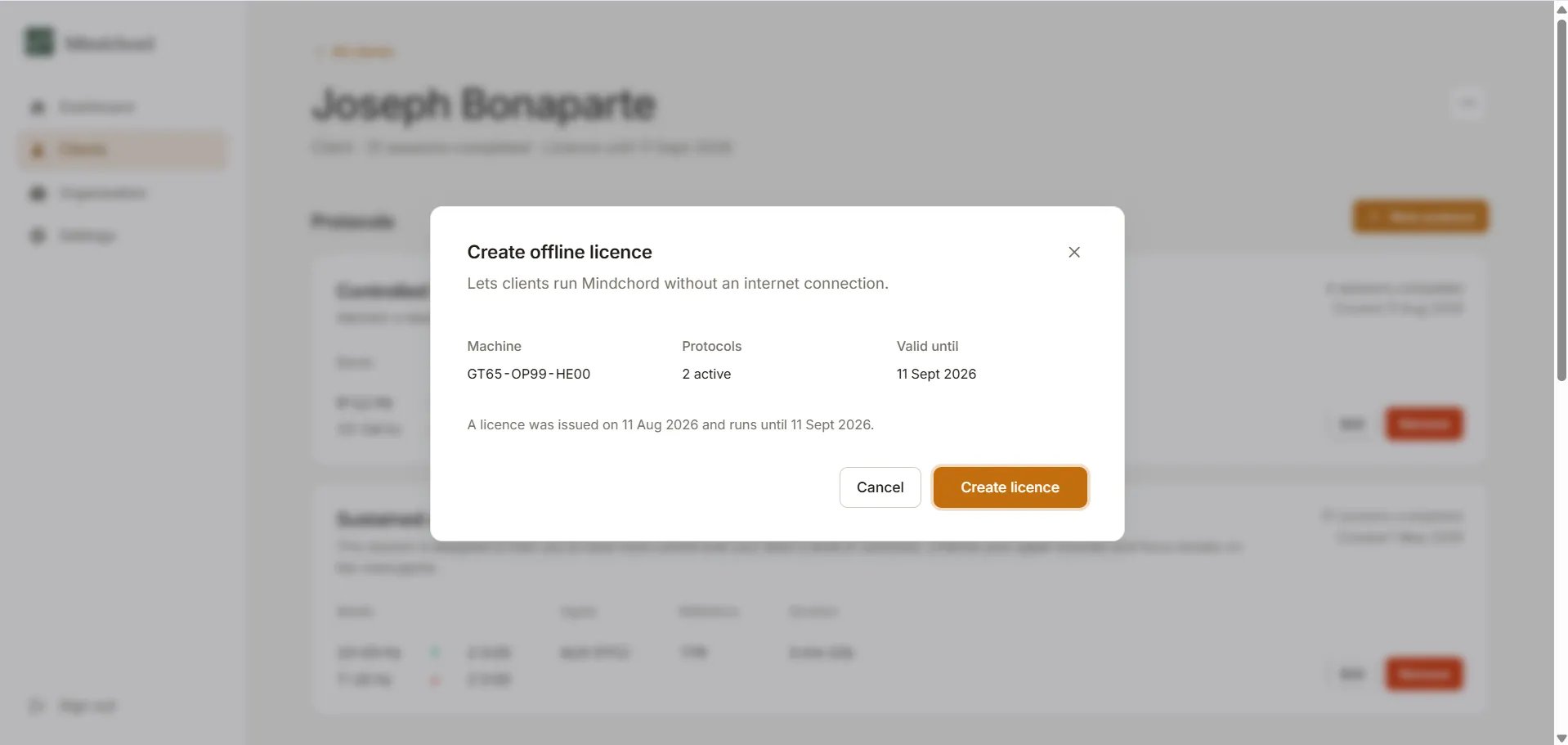
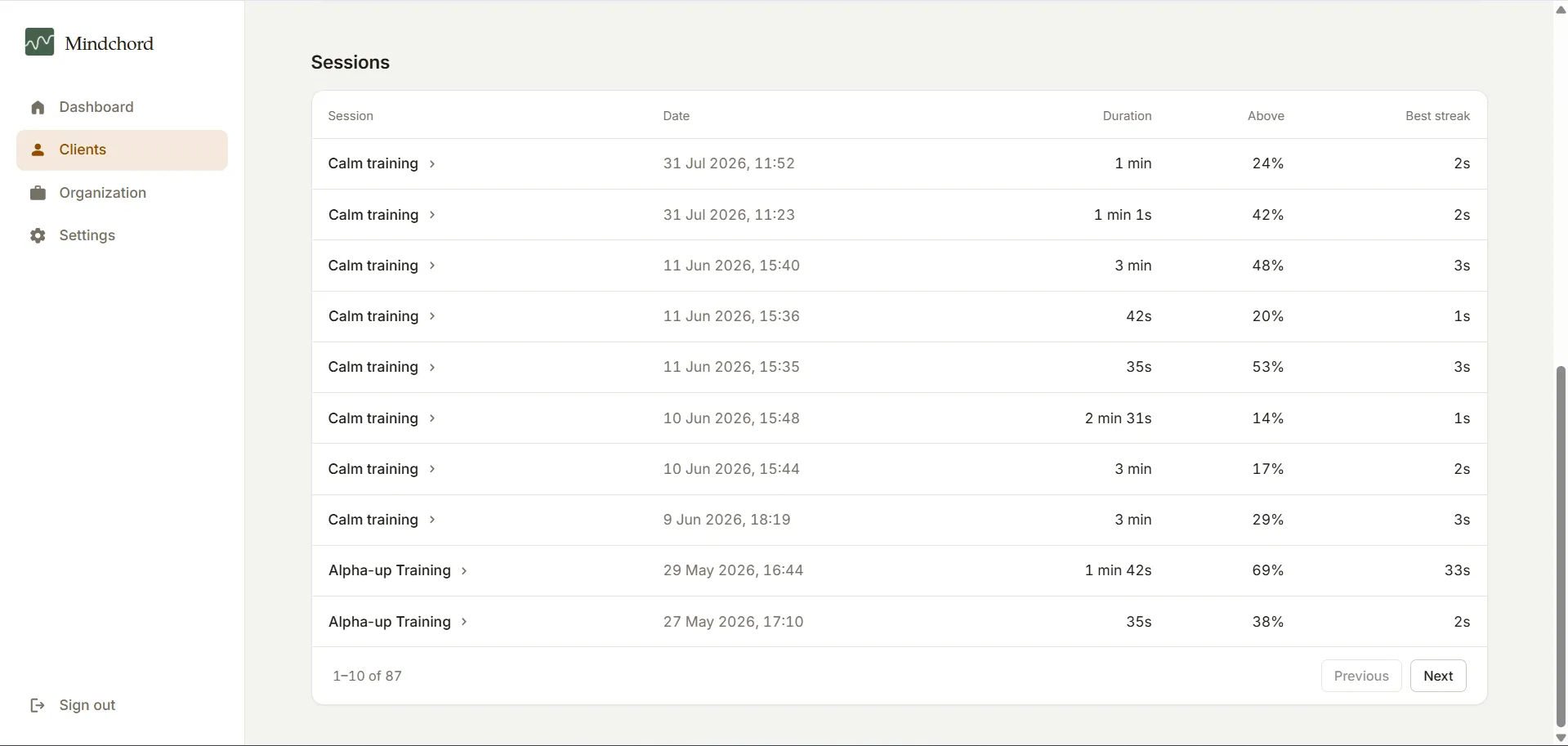
Mindchord Providers use the Mindchord Dashboard to manage their clients, design and assign training protocols, and review their clients completed sessions.